
U.S. auto parts manufacturers account for 66% of a vehicle’s value
U.S. auto parts manufacturers account for 66% of a vehicle’s value, according to MEMA, the Motor Equipment Manufacturers Association. MEMA is the leading trade association

U.S. auto parts manufacturers account for 66% of a vehicle’s value, according to MEMA, the Motor Equipment Manufacturers Association. MEMA is the leading trade association
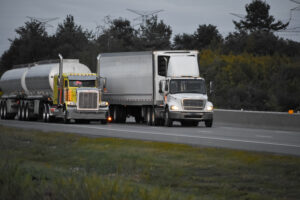
ANPACT and the USMCA are at a decisive juncture for the North American truck industry. Compliance with stricter rules of origin is driving regional integration.

Trade agreements between Brazil and Mexico do not affect the United States, said Mauro Vieira, Brazil’s Minister of Foreign Affairs. The Brazilian foreign minister set
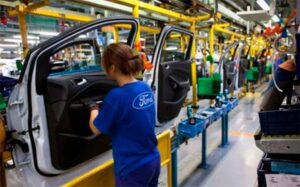
The automotive industry has increased its use of tariff preferences under the United States-Mexico-Canada Agreement (USMCA), according to data from the U.S. Trade Representative (USTR).
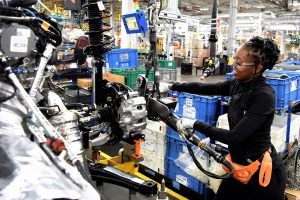
The United States has not requested a 50% U.S. content requirement for cars in the rules of origin of the United States-Mexico-Canada Agreement (USMCA), stated

Mexico set a record for foreign trade in April 2026, driven by growth across all major components of exports and imports, the National Institute of
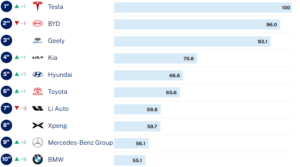
Tesla, BYD, and Geely top the rankings of global automotive industry leaders, according to the Future Readiness Indicator 2026, compiled by the IMD. The sector
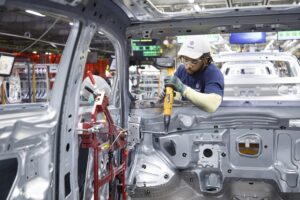
Volkswagen’s investments in the United States have totaled approximately $10 billion since 2018. These investments by VWGoA have been made since the United States first
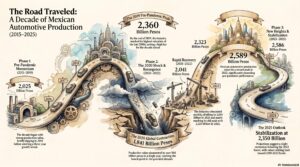
Automobile and truck production in Mexico declined in real terms in 2025, following a trend of ups and downs over the past decade. In 2025,
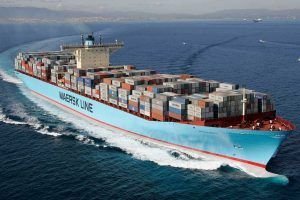
The impact of tariffs in Mexico is the lowest resulting from U.S. customs duties, according to the Mexican Business Council for Foreign Trade, Investment, and
U.S. auto parts manufacturers account for 66% of a vehicle’s value, according to MEMA, the Motor Equipment Manufacturers Association. MEMA is the leading trade association
ANPACT and the USMCA are at a decisive juncture for the North American truck industry. Compliance with stricter rules of origin is driving regional integration.
Trade agreements between Brazil and Mexico do not affect the United States, said Mauro Vieira, Brazil’s Minister of Foreign Affairs. The Brazilian foreign minister set
The automotive industry has increased its use of tariff preferences under the United States-Mexico-Canada Agreement (USMCA), according to data from the U.S. Trade Representative (USTR).
The United States has not requested a 50% U.S. content requirement for cars in the rules of origin of the United States-Mexico-Canada Agreement (USMCA), stated
Mexico set a record for foreign trade in April 2026, driven by growth across all major components of exports and imports, the National Institute of
Tesla, BYD, and Geely top the rankings of global automotive industry leaders, according to the Future Readiness Indicator 2026, compiled by the IMD. The sector
Volkswagen’s investments in the United States have totaled approximately $10 billion since 2018. These investments by VWGoA have been made since the United States first
Automobile and truck production in Mexico declined in real terms in 2025, following a trend of ups and downs over the past decade. In 2025,
The impact of tariffs in Mexico is the lowest resulting from U.S. customs duties, according to the Mexican Business Council for Foreign Trade, Investment, and