
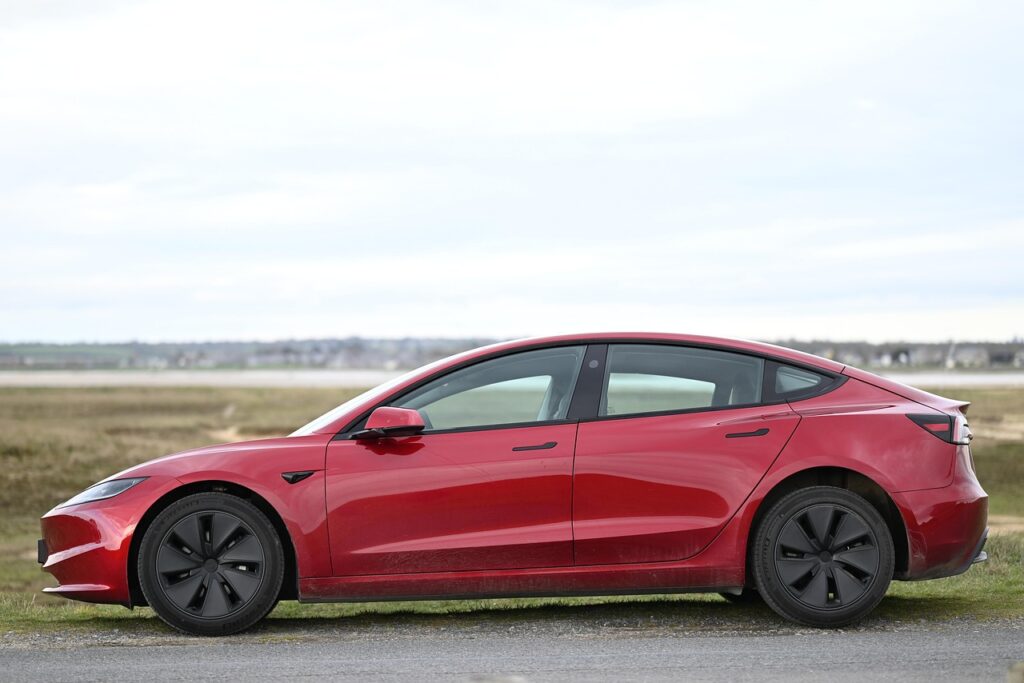
Tesla’s investments declined in 2025 as a result of more tariffs in several countries and fewer incentives in the United States.
Tesla is an American electric vehicle and energy company with operations in automobile manufacturing, batteries, and software. Its model integrates production, direct sales, energy storage, and advanced driver assistance systems development.
Tesla investments
In 2024, the company’s capital investments grew 27% year-on-year to $11.34 billion, driven by the expansion of artificial intelligence infrastructure. However, in 2025, they fell 25% to $8.53 billion, prioritizing operational efficiency.
At the same time, the United States eliminated federal tax incentives for the purchase of electric vehicles as of September 30, 2025. Credits of up to $7,500 for new cars and $4,000 for used cars were no longer applicable under the One Big Beautiful Bill Act.
During 2025, Tesla’s investments focused significantly on artificial intelligence (AI), the expansion of manufacturing infrastructure, and the development of new battery technologies. This approach guided the company’s capital expenditure allocation.
In this context, Tesla allocated resources to AI infrastructure, expanding the Cortex training cluster at Gigafactory Texas and launching Cortex 2. It also invested in a new Megafactory near Houston and expanded capacity in Lathrop and Shanghai.
Research and Development
Other capital investments were allocated to vertical integration. Of particular note is the lithium refinery in Texas, which began operations in January 2026. This asset is part of the strategy to strengthen key internal capabilities.
At the same time, the company continued to expand its Supercharger network. It also expanded its service and sales centers. These investments are intended to support the sustained growth of the fleet in operation.
In 2025, research and development expenses totaled $6.411 billion, a year-over-year increase of 41%. Resources were focused on FSD Supervised autonomous driving, Robotaxi, and the Optimus humanoid robot.
Finally, the company invested in the piloting and manufacturing of new battery cells of its own design, with the aim of reducing costs and improving the performance of its energy storage systems.