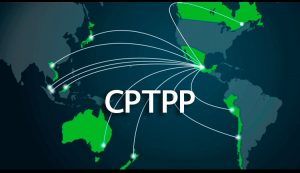
E-commerce in TIPAT and Pacific Alliance
Mexico has a similar vision between the e-commerce chapters of the Comprehensive and Progressive Agreement for Trans-Pacific Partnership (CPTPP) and the Pacific Alliance. This takes

Mexico has a similar vision between the e-commerce chapters of the Comprehensive and Progressive Agreement for Trans-Pacific Partnership (CPTPP) and the Pacific Alliance. This takes
Ukraine supplies 90% of U.S. neon requirements, and 70% of the world’s supply, according to data from the United Nations Conference on Trade and Development
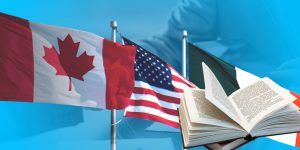
Competition policy under U.S. international trade agreements benefits from the cooperation of U.S. antitrust agencies. For example, in the Treaty between Mexico, the United States
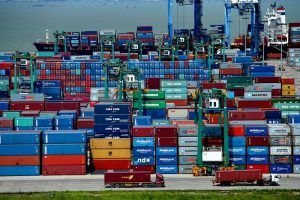
A significant portion of U.S. exports to Mexico have benefited from the Private Export Finance Corporation (PEFCO). PEFCO complements export financing from commercial banks and
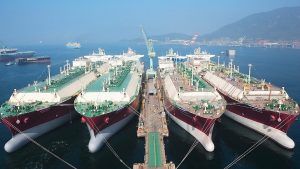
The U.S. Energy Information Administration (EIA, part of the Department of Energy) expects natural gas prices to increase from November levels as a result of

Grape consumption in Mexico will be 257,000 tons in the 2022/2023 season, marginally higher than the previous cycle, according to projections by the United States

The United States is one of the world’s largest sugar producers; its production of beet sugar (between 55% and 60%) is slightly higher than that

The United States offers protection, through its trademark system, to foreign and domestic geographical indications for all types of goods and services. This occurs when
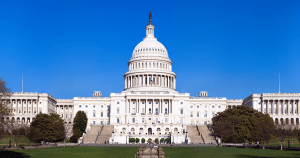
The U.S. government and Congress are discussing the possibility of operating Trade Promotion Authority (TPA). Generally, Congress and the President work together to negotiate and
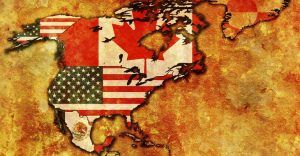
In the context of energy resources, Canada remains free to determine whether exports of energy resources to the United States or Mexico will be permitted.
Mexico has a similar vision between the e-commerce chapters of the Comprehensive and Progressive Agreement for Trans-Pacific Partnership (CPTPP) and the Pacific Alliance. This takes
Ukraine supplies 90% of U.S. neon requirements, and 70% of the world’s supply, according to data from the United Nations Conference on Trade and Development
Competition policy under U.S. international trade agreements benefits from the cooperation of U.S. antitrust agencies. For example, in the Treaty between Mexico, the United States
A significant portion of U.S. exports to Mexico have benefited from the Private Export Finance Corporation (PEFCO). PEFCO complements export financing from commercial banks and
The U.S. Energy Information Administration (EIA, part of the Department of Energy) expects natural gas prices to increase from November levels as a result of
Grape consumption in Mexico will be 257,000 tons in the 2022/2023 season, marginally higher than the previous cycle, according to projections by the United States
The United States is one of the world’s largest sugar producers; its production of beet sugar (between 55% and 60%) is slightly higher than that
The United States offers protection, through its trademark system, to foreign and domestic geographical indications for all types of goods and services. This occurs when
The U.S. government and Congress are discussing the possibility of operating Trade Promotion Authority (TPA). Generally, Congress and the President work together to negotiate and
In the context of energy resources, Canada remains free to determine whether exports of energy resources to the United States or Mexico will be permitted.