
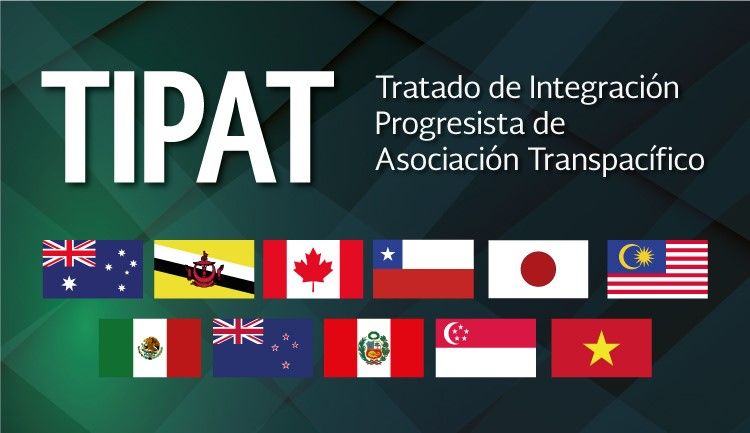
The UK government highlighted the benefits of CPTPP at a meeting of the World Trade Organization (WTO).
One year after the UK celebrated the first anniversary of its accession to the CPTPP, the British government’s Department for Business and Trade (DBT) has proactively compiled case studies on how the agreement has helped British companies successfully export to CPTPP markets.
Benefits of the CPTPP
The CPTPP for the United Kingdom came into force on December 15, 2024. Since then, the country has been a full member. In addition, it began to apply trade provisions with the member states.
Among the benefits are several advantages. First, greater competitiveness of British products. This is thanks to tariff reductions. Temporary entry provisions also play a role. These have allowed British professionals to build new relationships with customers.
In turn, the agreement includes key digital standards. In particular, they facilitate real-time data transmission. This allows British companies to operate more efficiently and securely abroad.
Although monitoring is still in its early stages, the projections are clear. In the long term, joining the CPTPP could boost the UK’s GDP by around £2 billion annually, compared to the level projected for 2040 (CPTPP: impact assessment – GOV. UK).
This is also the first time that the UK has free trade agreements with Malaysia and Brunei Darussalam, economies with a combined GDP of £340 billion in 2024.
Vietnam market
While the UK already has bilateral agreements with nine of the 11 CPTPP parties, there are some differences in coverage between these agreements and CPTPP.
For example, in areas such as dairy exports to Japan and Chile, tariff levels and schedules vary between the CPTPP and bilateral agreements.
Similarly, for products such as chocolate, pork, dairy products, engines, and medicines exported to Vietnam, the timing and scope of tariff reductions differ between the agreements.
There are significant differences in the services sector. In particular, the commitments made by Singapore and Peru in transport show variations. In addition, the rules on data localization in Peru, Vietnam, and Chile do not replicate the UK’s bilateral FTAs.
These distinctions open up options for companies. They can compare regulatory frameworks and, depending on the product or service, choose the most convenient agreement.
At the same time, the CPTPP incorporates provisions on rules of origin. It includes accumulation rules, offering companies more alternatives and strengthening the resilience of the supply chain.