
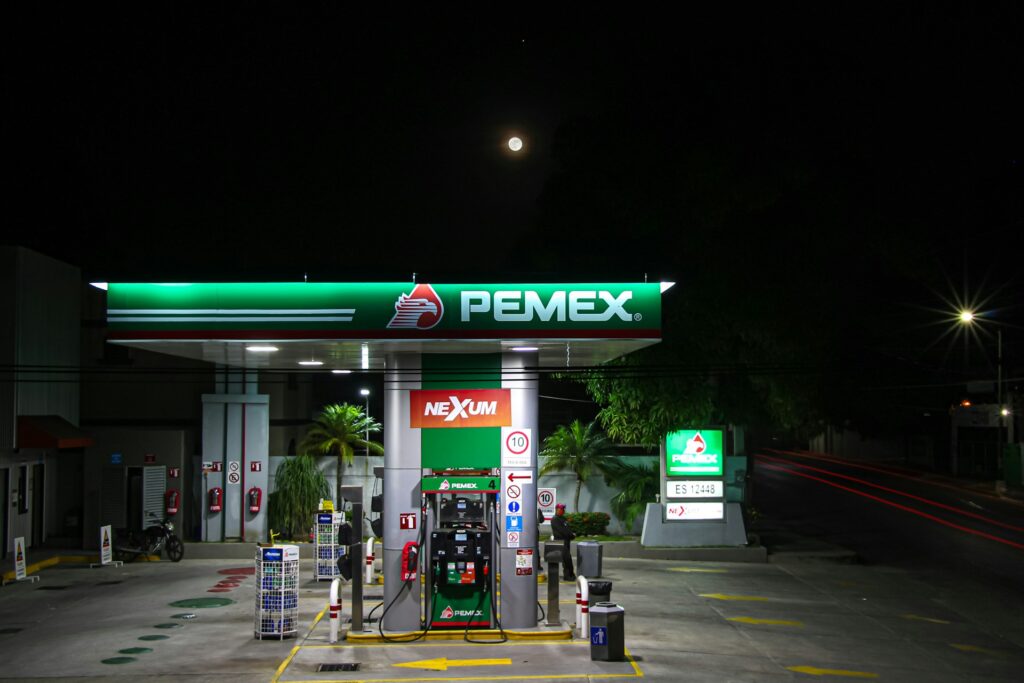
The System for the Registration, Administration, and Control of Licensees (SIRACP) will improve logistics in Mexico’s hydrocarbons sector, according to the U.S. Department of Commerce.
This system will enhance oversight and real-time traceability in Mexico’s hydrocarbons transportation sector.
Logistics in Mexico’s Hydrocarbons Sector
Mexico’s Ministry of Energy and Energy Commission Establish a System to Strengthen Oversight of the Hydrocarbons Sector
On March 2, 2026, the Ministry of Energy (SENER) and the Mexican Energy Commission (CNE) officially established a Registration, Administration, and Control System for companies that have obtained a permit or formal authorization from the CNE to carry out specific activities in the hydrocarbons industry. The system is known as SIRACP.
Regulations Governing Pemex and the Industry
The Hydrocarbons Law and the Hydrocarbons Revenue Law regulate the entire sector’s value chain, ranging from exploration to the marketing of hydrocarbons. Furthermore, they allow domestic and foreign investors to participate in bidding processes for exploration, production, and transportation.
Both laws authorize the government to award projects to both private companies and Pemex. This institution was reorganized as a state-owned enterprise in 2013. Subsequently, a constitutional amendment in 2024 transformed it into a public enterprise.
In December 2020, regulations governing fuel import and export permits were implemented. These measures aim to combat tax evasion, customs fraud, and smuggling. They also adapt the regulatory framework to current international trade practices.
Hydrocarbon Transportation
The SIRACP stems from the Hydrocarbons Sector Law. It also derives from regulations issued by SENER and the CNE between 2025 and 2026. Notable among these are the Guidelines for Marking and the Sector Regulations.
These regulations introduced digital monitoring for transport vehicles. They require the use of QR codes and GPS tracking. They apply to vehicles transporting petroleum products, LPG, and petrochemicals.
SIRACP will optimize real-time monitoring and traceability. This will enhance transport security and digital control. The measure covers both land-based modes of transport and pipeline systems.
According to authorities, the platform strengthens sector-specific regulation. Its primary purpose is to monitor fuel shipments. This helps combat diversion and unauthorized transport.
Key Information
SIRACP will provide specific information on each registered unit via a QR code. It will allow owners and authorities to view details of the permit issued by the CNE. Key details include the permit’s validity period, authorized routes, and origin and destination.
Authorities will verify the vehicle’s operational status, registration, and current insurance coverage. They will also access the vehicle identification number and the operator’s license. In addition, they will review the bill of lading, permitted products, and volumes transported.