
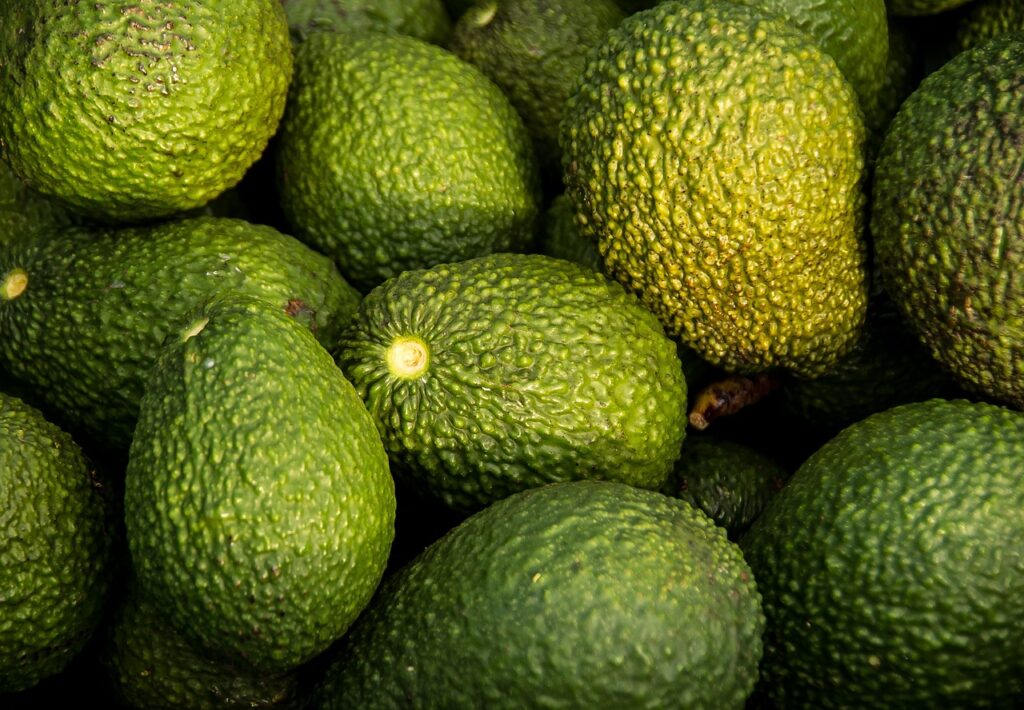
Mexican avocado exports grew at an annual rate of 1.6% in 2025, to US$ 3.906 billion.
This figure was below the forecasts of the United States Department of Agriculture, which estimated a total of $4 billion.
The avocado is a fruit native to America, botanically classified as Persea americana. According to the USDA and FAO, it is characterised by its edible pulp, high monounsaturated fat content and widespread use in fresh and processed human food.
Mexican avocado exports
According to the FAO and the USDA, avocados are grown in tropical and subtropical areas. They are an agricultural product with high commercial value, relevant in international trade, and provide key nutrients such as fibre, potassium and vitamins, especially in balanced diets.
In terms of volume, Mexican avocado exports totalled 1 million 282,000 tonnes, an increase of 0.1% over 2024.
Mexican avocado exports take place throughout the year; however, the peak season occurs from December to February and accounts for more than 35% of the total. During this period, the Super Bowl drives demand in the United States, the main destination.
In 2024, Mexico supplied around 88% of total avocado imports to the United States. According to the USDA, the market favours Hass avocados. Mission Produce, Calavo Growers and West Pak Avocado lead the way in imports and distribution.
Consumption
Domestic avocado consumption in Mexico continues to grow moderately. In 2024, it reached 12 kilograms per capita, up from 11 kilograms in 2023, according to Inegi. In addition, the product is widely available in supermarkets and farmers’ markets.
Despite its high presence, avocados are considered a luxury item in Mexico. Their prices exceed those of other fruits. For this reason, they are not part of the basic food basket, according to the Mexican government’s official definition.
Mexico is not a major importer of avocados. However, it does make purchases abroad, mainly from Peru and Colombia. These imports are concentrated in seasonal periods of low domestic production, with the aim of meeting domestic market demand.