
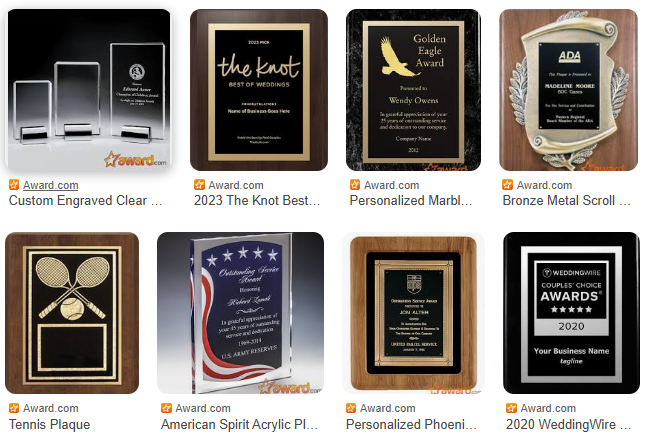
Not in the world of recognition can anything be permanent and as decisive as a plaque. Plaques are more than an object; it is a solid legacy, a physical monument to success that can inspire a lifetime. However, not all Plaques are created equal. It takes a wise touch when it comes to creating something and skill in production to make the process of one idea into a great award. The secret to the effectiveness of your message of appreciation is to master the art and science behind these items so that your message of appreciation is rendered with the impact it warrants.
The Foundation: Purpose-Driven Design
Before drawing a single sketch, the most important thing is to establish the intention of the award. Retirement Plaques tell a different story than a sales award or a safety commendation. The design should indicate the importance of the achievement and the values of your organisation.
To begin with, the major questions to be asked are: Is the tone traditional or modern? Is it an accomplishment of years served or a one-time, heroic accomplishment? The response will inform all the other decisions, such as the choice of the material and typography. A design that is purpose-based will mean that the product created is not merely perceived, but experienced. This foundational clarity is what separates a generic token from a deeply meaningful Plaques.
Selecting the Right Materials and Finishes
The contents you use are eloquent. Walnut or old Furniture. Mahogany and Solid walnut can project tradition and prestige, and are just right when you need lifetime achievement awards. Glossy acrylic, smooth aluminium, or crystal provide a modern touch, which is compatible with innovation and technology-oriented achievements. In addition to the base material, there are finishes and inlays. Metals can be brushed, coated with a glossy layer or even transparent layers to be more sophisticated. The feel, the heaviness, the coolness of the metal, the smoothness of the polished stone, they are all a part of the perceived value of the award.
The Art of Layout and Legibility
Good material may be ruined by bad layout. The most important thing is the visual hierarchy of the information. The most significant aspect, which is usually the name of the recipient, must be the most conspicuous in terms of size and strategic position. And the secondary information, including the name of the award, date and company name, should be supplementary, but not competitive.
Cleanliness can never be compromised. The fancy fonts that cannot be read easily can be fascinating to the eye, but can make the observer frustrated and reduce the effect of the award. Use traditional, clean fonts and also make sure that there is adequate contrast between the letters and the background.
A properly made layout for plaques is harmonious, purposeful, and respectful to the recipient because it puts their success in the limelight. For those seeking inspiration, top award-making brands like Award.com offer extensive galleries that showcase how effective typography and layout come together in professional Plaques.
Incorporating Branding with Subtlety
Although you need to incorporate your company logo, you need to do it in a light manner. It is not an advertisement for the company but rather the award to the recipient. The logo must be styled sensibly, with many times it often being in a corner or at the bottom as a stamp of legitimacy and not the focus. This compromise will preserve the individual meaning of the award, and at the same time, it will be an image of the presenting organisation.
The Production: Where Vision Becomes Reality
This is where exact craftsmanship is at the forefront when it comes to the transition of digital design to the physical object. The production method directly influences the aesthetic and quality of the final Plaques.
- Engraving: The engraving is a traditional method, where one cuts the material to form recessed permanent text and graphics. It has a classic, beautiful appearance.
- Etching: This is commonly applied to glass and crystal, in which a transparent pattern is cut with a frosted expression. It is perfect for the creation of fine details and shadows.
- Digital Printing: When the graphics are of full colour or photorealistic images, UV printing can be used to print on different materials, providing vibrant and long-lasting results.
- Embossing/Debossing: This creates the design in a three-dimensional effect by either protruding (embossing) or depressing (debosses) the design.
When you know these techniques, you can be able to align the production method with your vision of the design; that way, the end product will be carried out perfectly.
The reception of the award starts with unboxing. The significance of Plaques beautifully made and presented in a plain cardboard box may be compromised. Spend on good quality packaging, a velvet-lined case, a slick box with a magnetic closure or an investment in a protective sleeve. This level of attention gives the whole experience a new level, indicating to the recipient that the award is not only worth the money but that the recognition is genuine.
The learning of plaque design and production is not a simple task because it involves both art and craft. By focusing on purpose-driven design, selecting quality materials, prioritising legibility, and understanding production techniques, you can create Plaques that do more than just recognise achievement–they become cherished symbols of a momentous occasion, inspiring pride for a lifetime.