
Ingredion suggested improvements in the use of C-TPAT in the USMCA while participating in consultations on this trade agreement at the USTR.
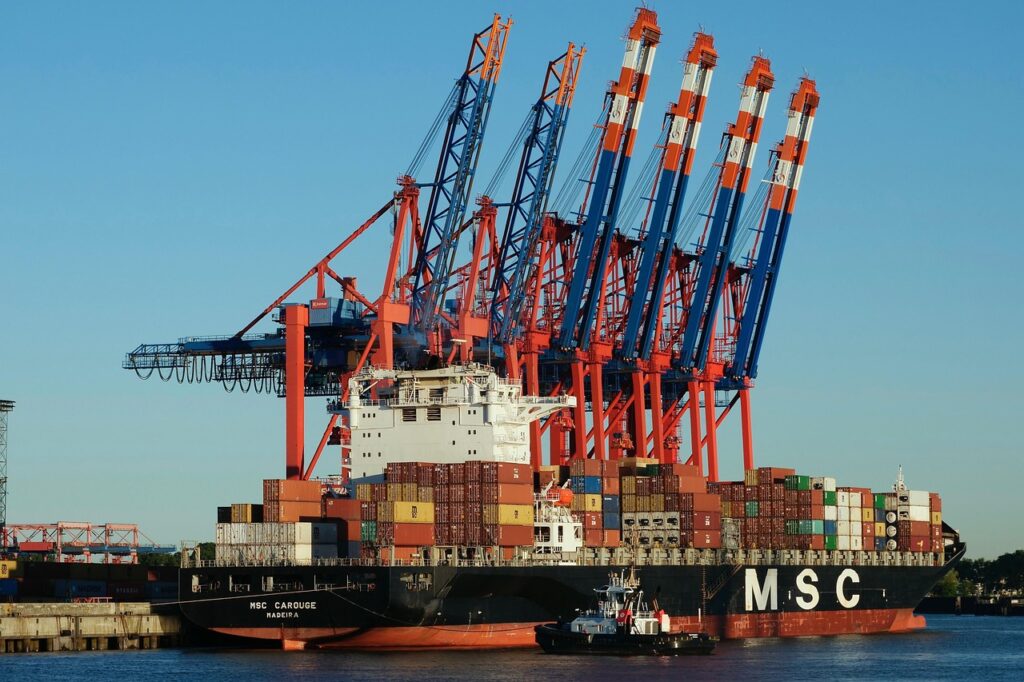
The Customs-Trade Partnership Against Terrorism (C-TPAT) operates as a voluntary program. It links Customs and Border Protection (CBP) with international trade companies. Its goal is clear: to strengthen supply chain security and prevent terrorist infiltration or other illegal activities.
C-TPAT in the USMCA
Ingredion proposed leveraging C-TPAT membership to streamline border crossings. It noted that the program has Mutual Recognition Agreements with Canada and Mexico. This allows for coordination between administrations, improved cargo security, and standardization of certifications to avoid duplication of efforts.
The company suggested incorporating a provision into Chapter 7 of the USMCA. This would allow C-TPAT-certified importers to be recognized as Trusted Traders. They would have access to benefits such as expedited clearance, less documentation, and priority attention in case of disruptions. In addition, it called for strengthening training and data exchange between regional customs offices.
Single window
For the Business Roundtable, the trade facilitation project should review and harmonize data entry requirements for different goods. It also proposes that technology, interoperability, and artificial intelligence simplify customs procedures, especially for participants in Trusted Trader programs.
As an example, it proposes a technical group to compare the performance of single windows. It would evaluate the ACE in the United States, the VUCEM in Mexico, and the CARM in Canada. This would determine whether the three systems can adopt similar methods for information capture and collection.
The Business Roundtable argues that greater interoperability between customs systems would boost efficiency for businesses. It would also facilitate cooperation in compliance among the three countries and strengthen trade flows in the region.
The C-TPAT program requires its members to implement access controls, personnel surveillance, and physical and document protection measures. In return, they obtain customs benefits: fewer inspections, priority clearance, and more streamlined processes. This promotes secure, efficient, and competitive international trade.