
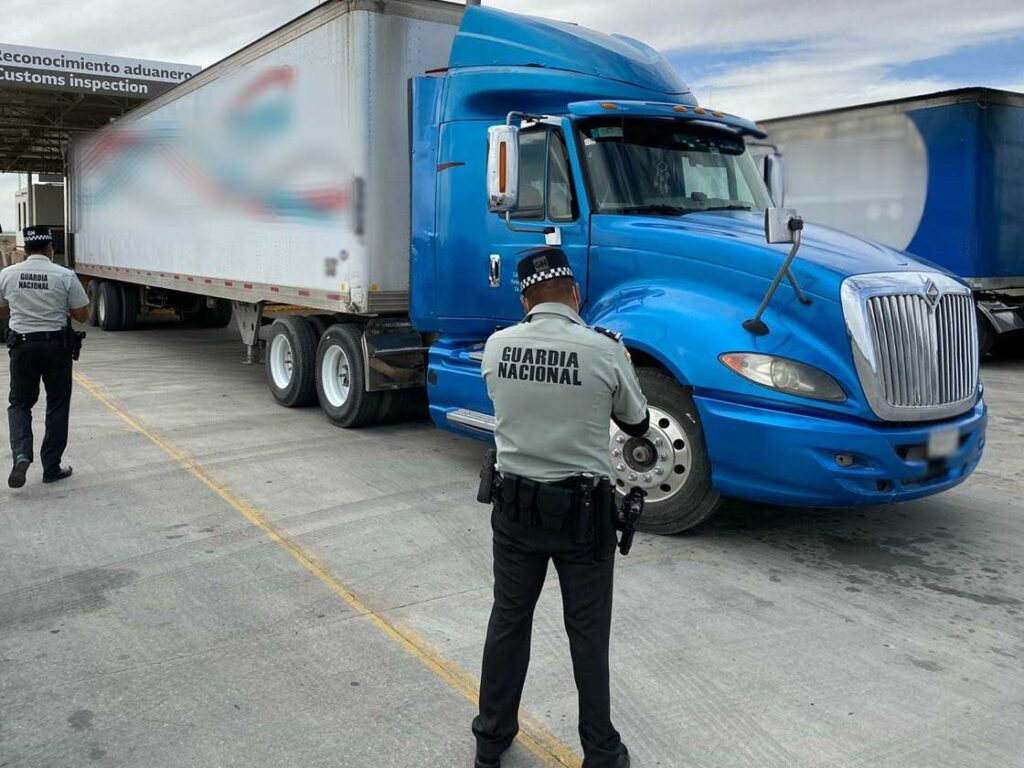
Customs oversight in Mexico has impacted US exporters by increasing workloads.
Effective January 1, 2026, Mexico’s customs reform strengthens oversight through automated platforms, real-time data validation, and mandatory digital traceability.
Customs oversight in Mexico
According to the U.S. Department of Commerce, U.S. exporters must ensure that invoices, product descriptions, technical data sheets, certificates of origin, and valuation data are complete and consistent.
In addition, incomplete documentation may result in delays, storage charges, or reassessments by customs authorities.
The changes to the Customs Law seek to strengthen control mechanisms and expand responsibility in foreign trade operations. The reform proposes greater joint liability for customs agents and importers in tax and customs compliance.
In addition, it promotes digitization through the mandatory use of biometric controls, electronic seals, and artificial intelligence systems for risk management and cargo traceability.
In the case of the IMMEX program, the reform strengthens oversight to prevent abuse and ensure the proper processing and re-exportation of goods.
Customs brokers
The Department of Commerce noted that Mexican customs brokers now assume full legal responsibility for classification and valuation. As a result, more conservative procedures are anticipated. In addition, clearance times could be slightly longer during the transition period.
On November 19, 2025, Mexico published a comprehensive reform of the Customs Law in the Official Gazette of the Federation. This introduced higher import duties for non-preferential transactions. Compliance obligations were also expanded. At the same time, documentation requirements were tightened and digital oversight throughout the customs process was strengthened.
For U.S. exporters, the impact is significant. These changes alter the way Mexican importers process shipments. Therefore, they directly affect cost structures, clearance times, and the accuracy of the information required.
Given this scenario, exporters should prepare for greater scrutiny. At the same time, closer coordination with buyers and customs agents in Mexico will be key.