
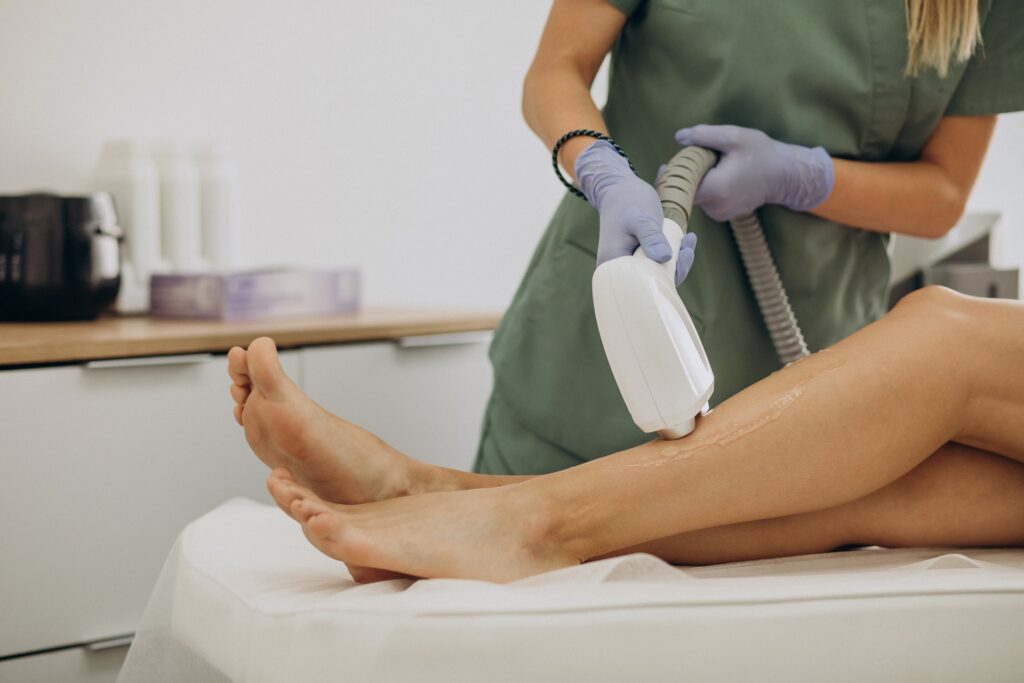
Plenty of patients complete a full course of laser hair removal Dubai clinics recommend and still end up with results that fall short of what they expected. In many of these cases, the treatment itself was not the problem. What happened between appointments often matters just as much as what happens during them.
This page walks through the most common reasons results fall short, based on patterns seen across consultations and followup visits at Aesthetics International’s Dubai clinic.
Why Waxing Between Sessions Undoes Real Progress
Shaving and waxing are not interchangeable when it comes to laser hair removal, even though many patients assume any hair removal method works the same way between appointments. Shaving cuts the hair at the surface but leaves the follicle intact beneath the skin, exactly where the laser needs to target it during the next session.
Waxing, threading, and plucking physically remove the hair from the root, pulling the follicle out along with it. If a patient waxes between laser sessions, there is no follicle left for the laser to target the next time around, which can genuinely stall progress or make it appear as though the treatment stopped working when the real issue was a gap in the process itself. Also check this liposuction in dubai.
Why This Mistake Is So Common
Patients often wax out of habit, especially before an event, without connecting it to their ongoing laser course. A good clinic should explain this clearly at the very first appointment, not assume patients already understand the distinction, since it is one of the most preventable reasons a full course underdelivers.
Sun Exposure Does More Damage Than Most Patients Realize
Dubai’s climate makes sun exposure a genuinely bigger factor here than in many other markets offering laser hair removal Dubai clinics compete in. Tanned or sunburned skin increases the risk of pigment changes during treatment, since the laser has a harder time distinguishing between the targeted hair and surrounding skin when skin tone has darkened from sun exposure.
Beyond safety, recent tanning can also reduce how effectively a session targets hair, since clinics often need to adjust laser settings downward for safety on tanned skin, which can mean a less thorough treatment than the same session performed on skin at its usual baseline tone. Also check for rosacea treatment.
Why Daily Sunscreen Matters Even Between Appointments
Most patients understand they should avoid sun exposure right before a scheduled session, but fewer realize that ongoing sun protection throughout the entire course matters too, not just in the days immediately before an appointment. Treated areas are more sensitive to sun damage during the healing period after each session, making daily sunscreen a genuinely important habit throughout the full course, not an occasional precaution.
Why Skipping or Delaying Sessions Disrupts the Whole Process
Hair grows in cycles, and laser treatment only affects follicles in an active growth phase at the time of each session. The recommended spacing between appointments, typically four to six weeks depending on the treatment area, is designed to catch hair as it moves through that cycle over the full course.
Delaying sessions by several extra weeks repeatedly throughout a course means some hair cycles get missed entirely, since follicles that were dormant during one appointment may have already cycled back to dormancy again before the next delayed session catches them. This is one of the quieter reasons a technically complete course can still leave more visible regrowth than expected.
Why Consistency Matters More Than People Expect
A single missed or delayed session occasionally is unlikely to derail overall results significantly, but a pattern of inconsistent spacing across an entire course adds up. Patients juggling busy schedules sometimes underestimate how much cumulative effect this has, assuming that finishing the total number of sessions matters more than the timing between them.
Skincare Products Can Quietly Interfere Too
Retinoids, strong exfoliants, and certain acne treatments increase skin sensitivity and can make the treated area more prone to irritation or pigment changes if used too close to a session. Most clinics recommend pausing these specific products for several days before and after each appointment, though patients do not always connect a skincare routine change to their ongoing laser course.
This is worth mentioning proactively during consultations, since patients are far more likely to ask about diet or exercise restrictions than about their nightly skincare routine, even though the latter can genuinely affect how the skin responds to treatment.
How Technology Is Helping Patients Stay on Track
More clinics now use automated scheduling reminders and app based tracking to help patients maintain consistent session spacing throughout a full course, addressing one of the most common reasons results fall short. Patients researching providers increasingly ask about this kind of support system directly, since staying on a consistent schedule has become recognized as part of what actually determines whether a course succeeds.
Why Choose Aesthetics International
Aesthetics International’s approach to laser hair removal Dubai patients go through includes clear guidance from the first appointment about which hair removal methods are safe to use between sessions and which ones interfere with the treatment plan. Scheduling support helps patients maintain consistent spacing throughout their course, rather than leaving timing entirely up to individual memory.
Skin assessments happen at each visit, allowing adjustments if sun exposure, product use, or other factors have changed since the previous session, rather than applying the same settings automatically regardless of what has happened between appointments.
Frequently Asked Questions
Can I shave between laser hair removal sessions?
Yes, shaving is generally encouraged between sessions since it does not remove the follicle the laser needs to target. It is worth avoiding shaving for a day or two immediately before a scheduled appointment, which your clinic will specify.
What happens if I accidentally wax during my course?
A single instance is unlikely to derail an entire course, but it may mean that specific area needs an additional session later to catch hair that would otherwise have been targeted on schedule. Let your provider know so they can adjust your remaining session plan accordingly.
Do I really need sunscreen every day, even in winter?
Yes, particularly throughout an active laser hair removal course, since treated skin remains more sensitive to sun exposure during the healing period between sessions regardless of season. This is one of the most overlooked habits affecting both safety and results.
Is it safe to tan after I finish my full course?
Once treatment is complete and any final healing period has passed, normal sun exposure is generally fine, though some clinics still recommend gradual reintroduction rather than immediate intense sun exposure. Ask your provider for a specific timeline based on your last session.
Getting the Full Value From Your Course
The treatment itself is only part of what determines your results with laser hair removal. What happens between sessions, avoiding waxing, protecting treated skin from the sun, keeping consistent scheduling, and being mindful of certain skincare products, plays a genuinely significant role in whether a full course delivers the result you expected.