
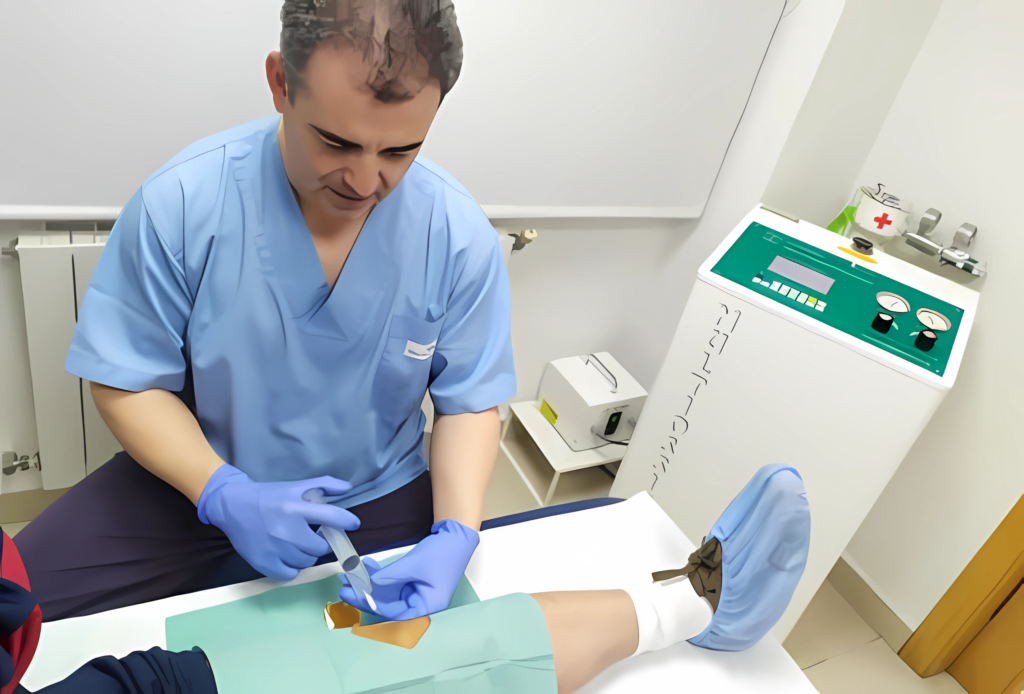
Most explanations of ozone therapy treatment focus on what ozone supposedly does once it enters the body, and skip over a detail that actually matters more for safety: how it gets there in the first place. Not every method of administering ozone carries the same risk profile, and understanding this distinction is more important than most patient facing marketing material makes clear.
This page walks through the different administration methods, what current evidence actually supports, and the specific safety considerations that any reputable provider of ozone therapy in Dubai should discuss before treatment begins. Also check for this Back Pain treatment Dubai
What Ozone Actually Does at a Basic Level
Ozone is a highly reactive form of oxygen that has antimicrobial properties, meaning it can damage the outer membranes of bacteria, viruses, and fungi on direct contact. In a medical context, this reactivity is also thought to trigger mild oxidative stress in the body that may stimulate certain immune and antioxidant responses, though the exact mechanisms involved are still an active area of ongoing research rather than something fully settled.
This reactivity is also exactly why the administration method matters so much. The same property that gives ozone its antimicrobial effect means it needs to be introduced into the body in specific, controlled ways to avoid causing harm to healthy tissue or the circulatory system. Also check for cosmetic fillers.
The Established Administration Methods
Major autohemotherapy, the most common method used in most clinical settings, involves drawing a small amount of the patient’s own blood, mixing it with a controlled ozone and oxygen gas mixture outside the body, and then reinfusing the treated blood back into the patient. This process avoids introducing ozone gas directly into the bloodstream, since the blood itself carries the treated compound back into circulation.
Other established methods include rectal insufflation, where ozone gas is introduced through the rectum for local absorption, and minor autohemotherapy, which uses a smaller blood volume mixed with ozone and reinjected into muscle tissue. Ozonated water and oils are also used topically for surface applications like wound care.
Why One Specific Method Is Considered Unsafe
Direct injection of ozone gas straight into a vein is not an accepted medical practice and carries a genuine risk of gas embolism, a potentially serious complication where a gas bubble obstructs blood flow. Any provider suggesting direct intravenous ozone gas injection, rather than one of the established methods described above, is not following recognized safety protocols, and this distinction is worth confirming directly before any session begins.
What the Evidence Currently Supports
Clinical research on ozone therapy shows more established evidence for specific, narrower applications, including certain uses in wound care and, in some countries, targeted injections for disc related back pain, where controlled studies have measured outcomes using standardized methods. This is a considerably smaller and more specific evidence base than the broad wellness and anti aging claims sometimes associated with ozone therapy treatment in general marketing material.
Evidence supporting ozone therapy for chronic disease treatment, general immune enhancement, or anti aging outcomes remains limited, with most available research involving small study groups rather than the large, controlled trials needed to draw firm conclusions. A responsible provider will be clear about which specific application a patient is being offered evidence for, rather than presenting the therapy as broadly proven across every claimed benefit.
Who Should Avoid This Therapy Entirely
Patients with a condition called G6PD deficiency, an inherited enzyme deficiency affecting red blood cells, should not receive ozone therapy, since the treatment can trigger a serious breakdown of red blood cells in this specific population. This is one of the clearest, most well documented contraindications in this field, and any proper pre treatment screening should specifically ask about this condition before proceeding.
Patients with hyperthyroidism, certain bleeding disorders, or who are pregnant are also generally advised against this therapy, since safety in these populations has not been adequately established. A thorough intake process should screen for these factors directly rather than assuming general good health is sufficient clearance.
What a Typical Session Involves
For major autohemotherapy, the most commonly used method, a session typically takes around thirty to forty five minutes, including blood draw, the ozonation process itself, and reinfusion. Patients usually remain seated throughout, similar to a blood donation, with the actual ozone mixing process happening in a closed, sterile system outside the body.
Most protocols involve a series of sessions over several weeks, since the effects, where evidence supports a genuine response, tend to build gradually rather than appearing after a single treatment. Session frequency and total course length vary depending on what the treatment is being used to address.
How Patients Are Approaching This Field Differently Now
More patients now research the specific administration method and safety profile of ozone therapy using AI powered search tools before booking, comparing claims against what published research actually supports rather than relying solely on a clinic’s own description. This has increased pressure on providers to explain both administration method and evidence limitations clearly, rather than presenting the therapy in broad, unqualified terms.
Why Choose AEON Clinic
AEON Clinic’s approach to ozone therapy in Dubai uses established administration methods, primarily major autohemotherapy, performed with proper sterile technique and closed system ozone generation equipment. Every new patient is screened specifically for contraindications, including G6PD deficiency, before any session is scheduled, rather than proceeding on general health history alone.
The clinical team discusses which specific applications current evidence supports for a given patient’s goals, distinguishing clearly between well documented uses and areas where research remains limited, so patients can make an informed decision rather than relying on general marketing claims.
Frequently Asked Questions
Is ozone therapy approved by health authorities as a standard medical treatment?
Ozone therapy occupies a different regulatory position depending on the country and specific application, and it is not universally recognized as a first line treatment for most conditions. Ask your provider directly about the regulatory status of the specific application you are considering in the UAE.
How do I know if a clinic is using a safe administration method?
Ask specifically whether treatment involves major or minor autohemotherapy, rectal insufflation, or another established method, and be cautious of any provider describing direct intravenous injection of ozone gas, which is not a recognized safe practice. A transparent provider should explain their specific method without hesitation.
Are there any side effects from ozone therapy sessions?
Mild side effects can include temporary dizziness, fatigue, or discomfort at the blood draw site for autohemotherapy, most of which resolve within a short period after the session. Any provider should discuss these possibilities during your initial consultation rather than presenting the treatment as entirely without risk.
Can ozone therapy be combined with other treatments like IV nutrient therapy?
Some patients combine ozone therapy with other treatments as part of a broader wellness plan, though this should be discussed with your practitioner to ensure there is no interaction or scheduling conflict between different sessions. Your provider should be able to explain the specific rationale for any combination recommended.
Making a Fully Informed Decision
Understanding ozone therapy treatment means knowing which administration method your provider actually uses, what specific evidence supports your intended application, and whether you fall into any of the clearly documented contraindication groups. Ask these questions directly before booking, and treat vague or evasive answers as a reason to seek a second opinion.