
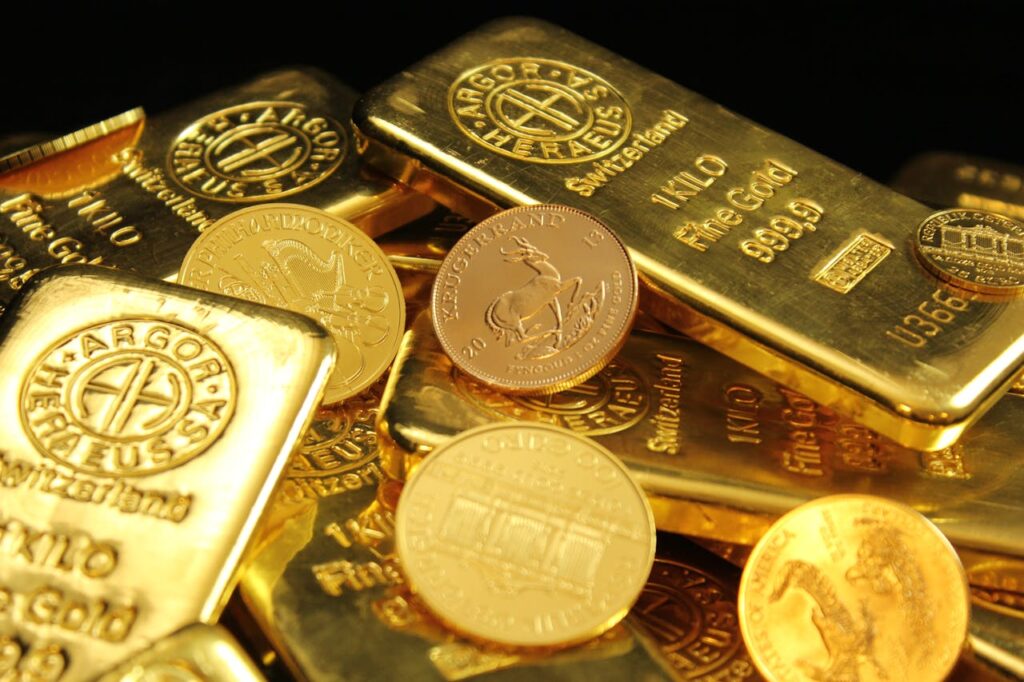
The global supply of recycled gold rose to 45.1 million ounces in 2025, up from 44.9 million ounces in 2024, according to the VanEck Merk Gold Trust.
Recycled gold, or gold scrap, is the second-largest source of gold supply. Its indestructibility allows it to be recovered from recycled jewelry and industrial products. This gold is melted down, refined, and transformed into bars for subsequent sale on the market.
Global Supply of Recycled Gold
The supply of recycled gold has risen steadily over the past two decades and comes primarily from recycled gold jewelry.
Over the past three years, the global supply of this recycled metal has maintained a steady upward trend. It first rose from 36.7 million to 39.7 million ounces from 2022 to 2023. It then increased from 44.0 million to 45.1 million ounces from 2024 to 2025.
The supply of recycled gold is heavily influenced by gold prices and the economic situation. Furthermore, supplies reached high levels during the 1997–1998 Asian financial crisis. These supplies reached a record 53.7 million ounces in 2010, driven by the global financial crisis and rising gold prices.
Major Suppliers
In 2016, the most recent year for which complete data is available, China, India, and Turkey were the three leading suppliers of recycled gold. Together, they accounted for 34.8% of the total recovered.
VanEck Merk Gold Trust reports that China is now the largest supplier of scrap, with 7.5 million ounces. This represents 18.3% of the total secondary supply in 2016.
India and Turkey contributed 10.4% and 6.1% of the total secondary supply, respectively, in 2016.
Risks
The complexity of the gold supply chain, particularly regarding recycled or scrap gold, and the fragmentation and frequent lack of regulation of the supply of artisanal and small-scale mined gold, creates significant uncertainties at every stage of the chain. Thus, there are doubts regarding the origin of the gold.
As a result of these uncertainties, the costs of due diligence and auditing, or the reputational risks arising from classifying their product or one of its components as a conflict mineral, could prove too burdensome for the clients of companies such as AngloGold Ashanti.