
Calavo Growers, Inc. has reduced its investments in avocado promotion in the United States over the last two years.
In October 2002, the U.S. Department of Agriculture (USDA) created the Hass Avocado Board to promote avocado sales in the United States, establishing a unified financing scheme based on contributions for each avocado sold.
Avocado promotion
Historically, the California Avocado Commission, funded by local producers, has covered promotion and advertising costs.
The company believes that increased funding for these activities will have long-term positive effects on average prices and its avocado business.
In fiscal years 2025, 2024, and 2023 (ending at the end of October), approximately $0.2 million, $2.0 million, and $0.5 million were remitted to the California Avocado Commission, as well as $4.9 million, $5.6 million, and $8.0 million to the Hass Avocado Board.
Likewise, in 2013, Aguacates de México (AFM) was established as the commercial arm of MHAIA and APEAM. During fiscal years 2025, 2024, and 2023, approximately $3.8 million, $4.3 million, and $5.5 million were channeled to APEAM, mainly for Mexican avocado marketing activities.
Michoacán and Jalisco
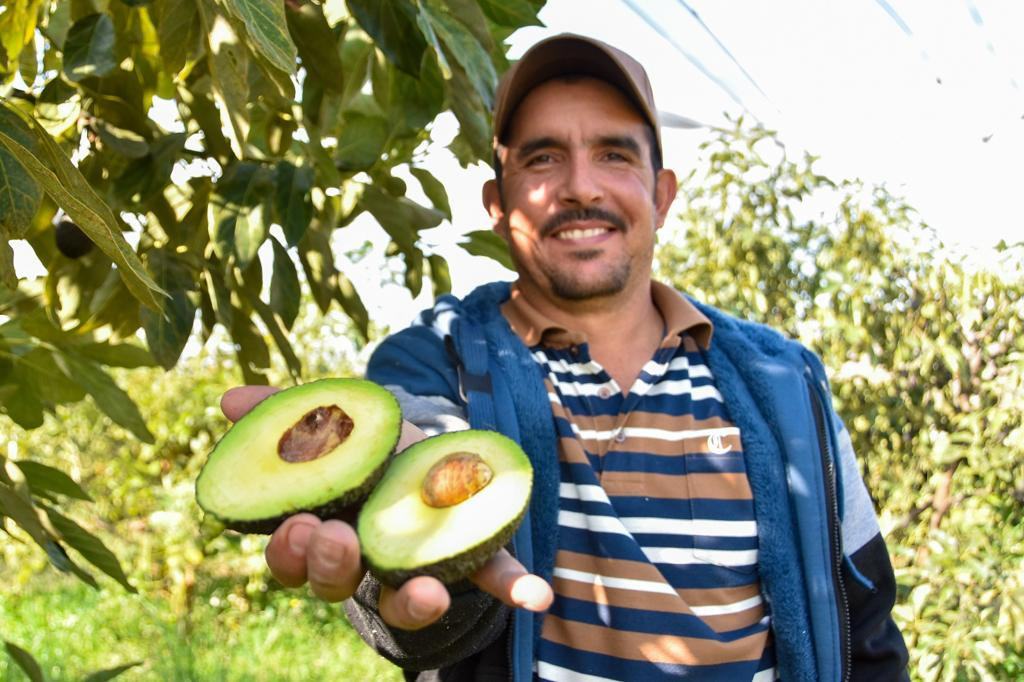
Hass avocados dominate the global market. In California, production is concentrated between San Diego and Monterey, mainly around Los Angeles County. The supply season runs from April to September, with peak production between May and August.
In fiscal year 2022, the USDA authorized the export of avocados from Jalisco to the United States. The supply comes from Michoacán and Jalisco, with staggered harvests throughout the year, as well as complementary supplies from Peru and Colombia.
Fresh avocados have a limited shelf life after harvest, ranging from three to six weeks. Factors such as ripeness, agricultural practices, and logistical management influence their preservation, supported by controlled atmosphere technologies during transport.
In Mexico, the avocado harvest has between three and four blooms per year. Prices are negotiated daily and, once agreed, the fruit is cut and delivered to packing plants. Final settlement is completed within 14 to 21 days.
To adjust inventories and sizes, supplies also come from certified external packers. Although the fruit is usually packaged under the Calavo brand, all third-party products pass through certified plants that guarantee quality and food safety before shipment.