
Several stakeholders who participated in consultations in Mexico on the USMCA questioned US agricultural subsidies.
“In the case of agriculture, you will probably find concern that the United States has very large subsidies and Mexican farmers are at a disadvantage,” said Marcelo Ebrard, Secretary of Economy, as part of some examples he gave about the results of the consultations.
US agricultural subsidies
According to estimates by the U.S. Department of Agriculture (USDA), agricultural exports support more than 1.25 million jobs in the country. In addition, about 70% are concentrated outside the countryside, mainly in activities such as agricultural processing and manufacturing. In 2024, the total value of these exports reached $183.7 billion.
At the same time, estimates for 2025 indicate a high level of public support. Federal subsidies to the agricultural sector could total between $33 billion and $35 billion. This figure includes direct payments, insurance, conservation incentives, and other support schemes.
However, 2024 presented significant challenges. Agricultural exports faced the effects of climate change on yields. There were also disruptions in the supply chain resulting from regional conflicts. Added to this were regulatory differences between trading partners.
Faced with this scenario, the Office of the US Trade Representative (USTR) strengthened its coordination with other federal agencies. The aim was to support agricultural actors in diversifying markets. It also sought to promote the use of agricultural technologies to improve sustainability and productivity. All this was to be achieved by removing unjustified trade barriers and expanding market access.
Biotechnology
The parties to the United States-Mexico-Canada Agreement (USMCA) held the third meeting of the Working Group on Agricultural Biotechnology Cooperation on March 4, 2024. During the meeting, the United States raised concerns and requested information on Mexico’s agricultural biotechnology policies.
In this context, the Parties shared regulatory updates. They also discussed the role of agricultural biotechnology in addressing climate change, sustainability, and food security.
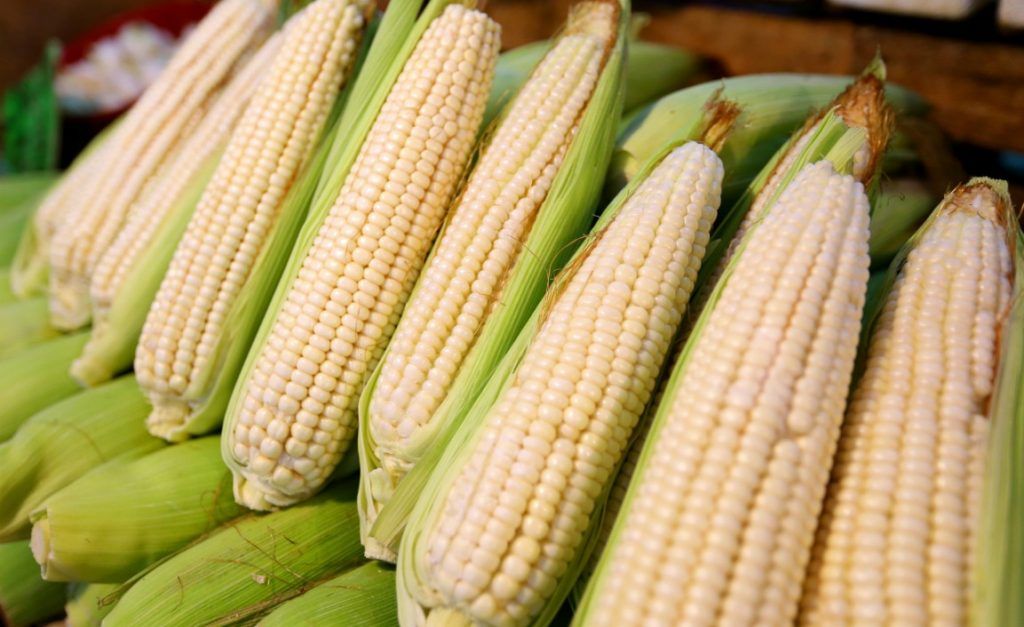
The process escalated months earlier. On August 17, 2023, the United States requested the formation of a dispute settlement panel under the USMCA. The complaint was directed against two measures included in Mexico’s presidential decree of February 13, 2023. On the one hand, the ban on the use of genetically modified corn in tortillas or dough. On the other hand, the instruction to gradually replace—and, in effect, ban—the use of genetically modified corn in products for human consumption and animal feed.
From the U.S. perspective, these measures were incompatible with Mexico’s commitments under the USMCA. Specifically, with provisions in the chapters on Sanitary and Phytosanitary Measures and Market Access. On June 26, 2024, the United States participated in the panel hearing. Months later, on December 20, 2024, the panel released its final report.
The ruling was decisive. The panel agreed with the United States on all seven legal claims. It concluded that Mexico’s measures lacked scientific basis. Furthermore, it determined that they undermined the market access that Mexico had committed to guarantee under the USMCA.